Part 1 of 4: This is the first in a four-part series for New Zealand landlords and property managers. Over the next few articles, we’ll look at why a freshly painted ex-rental can raise questions, how meth-related behaviour often goes unnoticed, what to do when you suspect a problem, and how to better protect properties going forward.
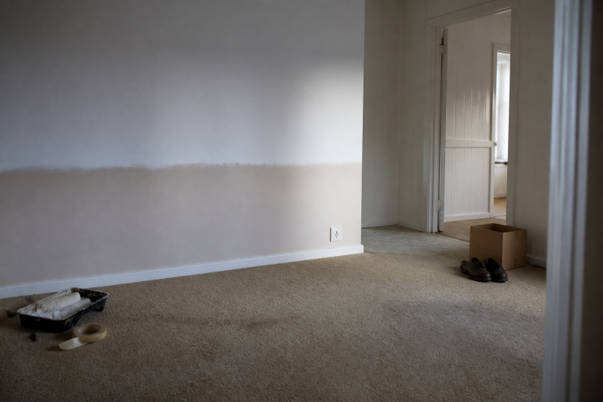
Yet another recent experience of painting over a problem has highlighted why a property’s appearance should not be the only measure of its condition.
A family moved into a home that was well presented and freshly painted. It looked clean, cared for, and ready to move into. However, after living there for a short time, family members began experiencing persistent coughs, asthma and other health symptoms, including eczema. They also had trouble sleeping.
A trip to the doctor’s proved inconclusive.
Eventually, locals shared information suggesting there may have been a previous issue at the property with meth-related behaviour, including erratic activity and frequent police visits.
Methamphetamine testing was arranged.
The initial test confirmed the family’s suspicions, and a lab-backed test produced readings that exceeded both the maximum acceptable and maximum inhabitable levels in the government’s new RTA Meth Regulations.
In a freshly painted house. From freshly painted surfaces.
They came to us because the low-cost service provider who did the first test was unable to help.
Setting aside what this says about the quality of service they received from that company, imagine how significant the meth levels must be behind the newly applied paint.
Imagine how high the levels must be in the carpet that has been left on the floor.
This experience is a reminder that methamphetamine contamination is rarely visible. A home can look freshly renovated and well maintained while still having an underlying contamination issue that has not been properly identified or resolved.
It is also a reminder that for too many property owners who have experienced nightmare tenants, who owe them money and give them the run around, the first step is often to reach for the paintbrush.
If it is a rental with a new coat of paint, what lies beneath the surface will always come back. It may haunt you as well as harm your physical, emotional and financial wellbeing.