The risks presented by methamphetamine-related behaviour have been consistently downplayed. Within a property investor mindset, there is often a natural reluctance to spend money that is not deemed strictly necessary. However, as methamphetamine consumption in New Zealand remains at record highs, the cost of complacency is rising.
The introduction of the Residential Tenancies (Managing Methamphetamine Contamination) Regulations 2026 has changed the landscape, allowing landlords to self-test. While the act of taking a sample may seem relatively straightforward, the reality of managing meth risk is far more nuanced.
The Challenge of DIY Testing and Interpretation
Sampling for methamphetamine is not just about wiping a surface. Results are influenced by a range of complexities, including the specific reason the test is being conducted, the types of materials present in the room, and whether the property has undergone recent redecoration.
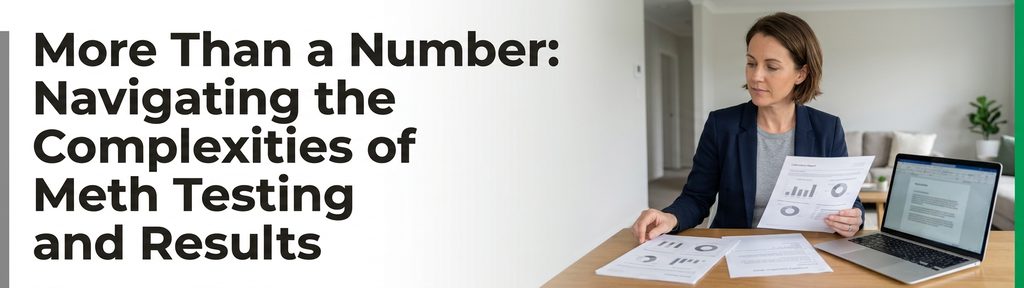
As seen in cases of freshly painted rentals, surfaces can look clean while underlying issues persist. Residue can remain even under new paint, which may cause health risks for occupants long after the work is finished. Without professional insight, a landlord may unknowingly inherit or pass on a significant liability. Interpreting a laboratory report, measured in micrograms per 100 square centimetres, requires an understanding of these variables to determine what the data actually means for a property’s safety.
Establishing What Happened and When
When a test identifies meth-related behaviour, the challenge shifts to communication and evidence. For property managers and landlords, it is often necessary to establish, on the balance of probabilities, what occurred and during which timeframe.
This is particularly critical at transition points. If a history of the property is documented through regular testing, a change in levels provides irrefutable evidence of behaviour during that period. Without a defensible process and professional oversight, proving when contamination occurred becomes nearly impossible, leaving owners exposed to uninsured losses and legal disputes.
From Technical Data to Meaningful Conversations
A laboratory result tells you if meth is present, but it does not tell the whole story. Tools like the Methamphetamine Contamination Calculator help interpret results by turning technical data into a starting point for honest conversations. By using regional drug prices and smoking models, the calculator estimates the likely financial scale behind the contamination detected.
For property managers and landlords, this context is invaluable. Methamphetamine dependence places extraordinary pressure on households, often resulting in unpaid rent, debt, and instability. Making the economic burden visible creates the external pressure needed to confront the reality of the situation, moving beyond simple non-compliance toward meaningful intervention.
The Value of Professional Expertise
The regulatory environment now allows for more landlord involvement, but minimum compliance is not the same as effective risk management. While self-testing may seem like a cost-saving measure, the variables involved in sampling and interpretation make it a high-risk strategy.
This is where an experienced professional service provider, like Safe & Healthy Home Solutions, is essential. They may not be the cheapest option, but they provide the expertise required to navigate the complexities that lead to successful risk mitigation. A professional assessment ensures that decisions are based on accurate data and defensible evidence, making the difference between success and failure in limiting the harm caused by methamphetamine.
For those without mechanisms in place to manage meth-related behaviour, the option to ignore the realities of meth risk is about to expire.
Join the discussion on LinkedIn: Read the related post and share your perspective